How to Choose an Art Workshop Abroad
A practical way to compare teachers, schedules, group sizes, materials, accommodation, and cancellation terms before booking an art workshop abroad.
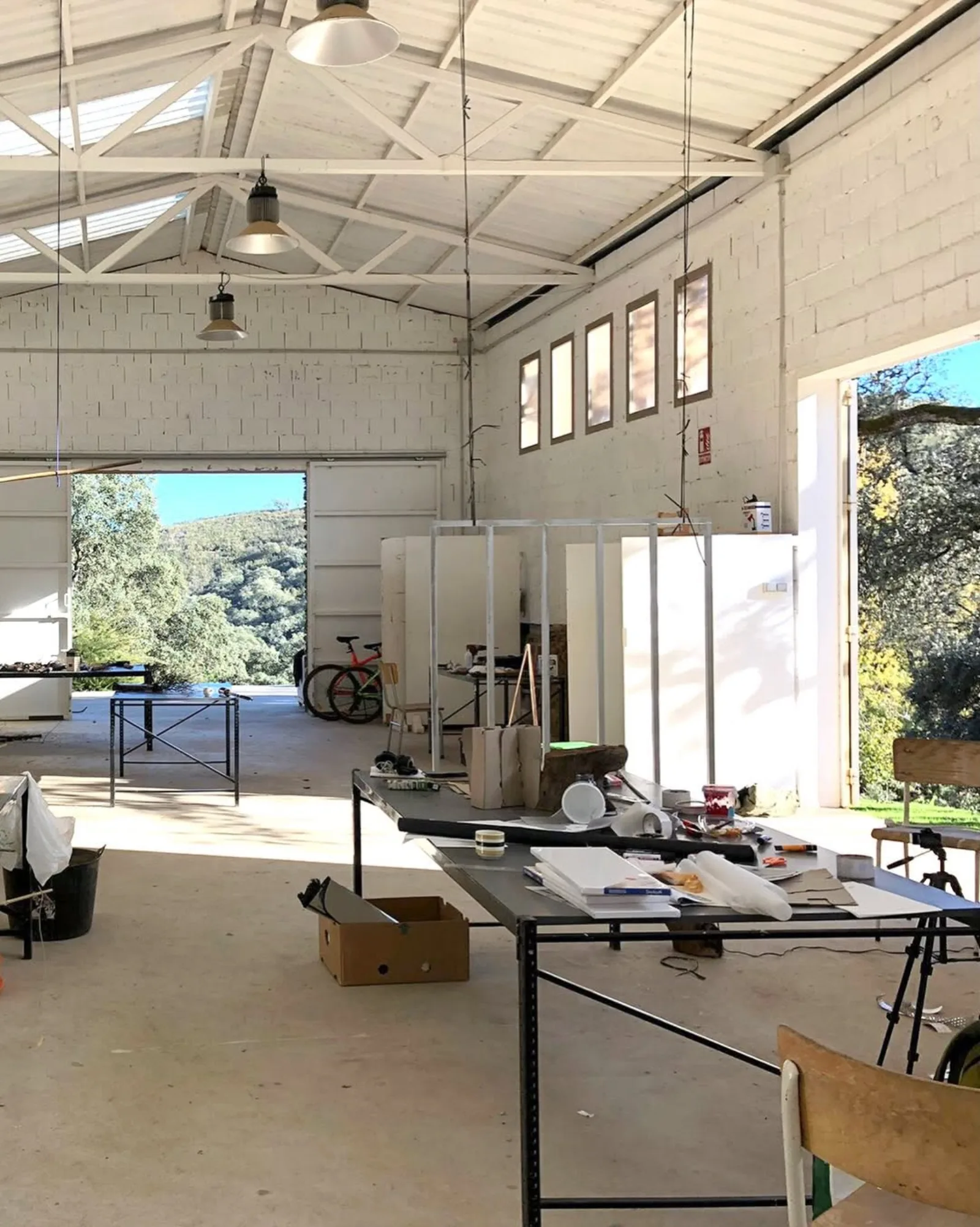
Start with the work you want to make
A beautiful destination is not enough. Begin with the medium, the teaching style, and the result you want from the week. A beginner who wants demonstrations and a finished painting needs a different programme from an experienced artist who wants long independent studio blocks and occasional critique. Read the itinerary for actual working hours, not just phrases such as immersive or creative journey.
Use the teacher's name to look at a real body of work. Their practice does not need to resemble yours, but you should be able to see why they are teaching this subject. Then check the stated skill level, materials, and whether individual feedback is part of the programme. Browse current art workshops with those facts together on each listing.
Compare the practical structure
Look for exact dates, teaching hours, group capacity, venue, language, accessibility, and what participants should bring. A four-day workshop can mean four full studio days or two travel days around two short sessions. The published programme should make that distinction visible.
Group size changes the experience. Eight participants with one teacher allows regular feedback. Twenty may work well for demonstrations, but it is a different purchase. If capacity is missing, ask before paying a deposit. For outdoor work, also check the bad-weather plan, walking distances, and whether transport between locations is included.
Price the whole trip
Compare the workshop fee and the cost of reaching and staying there. Note the currency, deposit, balance date, refund terms, meals, materials, local transport, and any single-room supplement. A lower headline price can become the more expensive option once accommodation and daily travel are added.
For residential programmes, compare workshops with accommodation. Check whether the room is included, optional, or merely suggested nearby. Shared and private rates should be treated as different totals. Keep flights outside the workshop budget until the organiser confirms the session will run.
Check trust before you book
A useful listing names the organiser, teacher, venue, dates, price or price-on-request status, inclusions, and a real programme. It should also give you a public way to ask questions. Vague teaching credentials, no cancellation terms, or a request to pay urgently are reasons to pause.
Ask concise questions and keep the answers in writing. Confirm the exact room arrangement, materials list, arrival point, accessibility needs, and what happens if the teacher or organiser cancels. The goal is not to eliminate every uncertainty. It is to know what you are buying and who is responsible for each part of the experience.
Related guides
Ready to get started?
Browse self-funded, funded, and exchange artist residencies on Artaway.
Explore opportunities