What to Pack for an Art Workshop Abroad
A medium-aware packing guide for art materials, travel documents, outdoor sessions, studio clothing, and bringing finished work home.
Use the organiser's materials list first
Start with the published list and ask about anything unclear. Find out which materials are included, which brands or sizes are required, and what can be bought locally. Specialist equipment such as easels, kilns, presses, solvents, and large cutting tools should be confirmed rather than packed by default.
For painting workshops, check surface sizes, allowed mediums, brush requirements, and whether supports can be purchased at the venue. For watercolour workshops, paper weight and format often matter more than carrying every colour you own.
Pack for the studio and the route
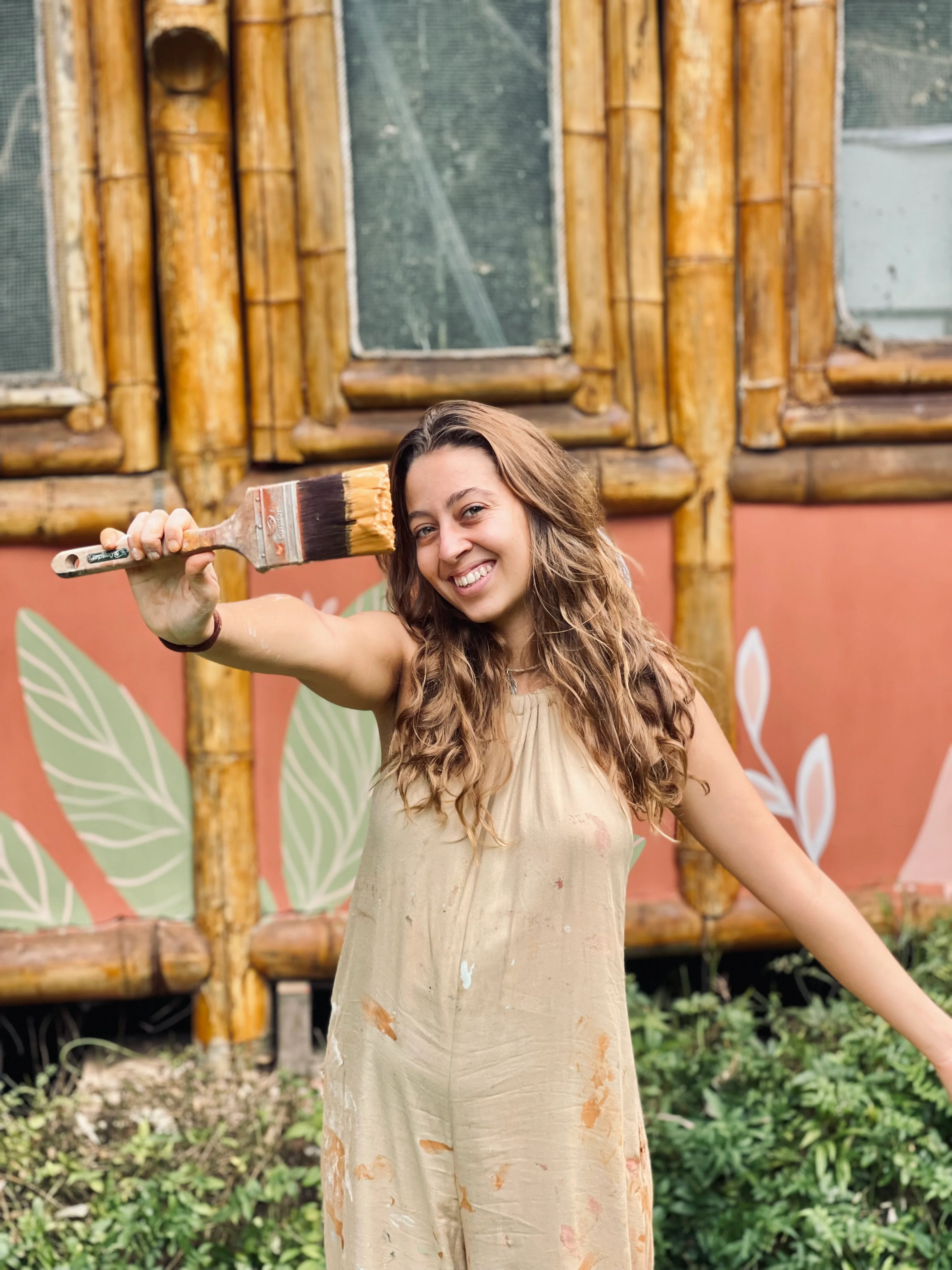
Bring clothes that can be marked, closed shoes where tools or ceramics are involved, a reusable water bottle, and a light layer for cool studios. Outdoor programmes may need sun protection, rain cover, a folding seat, clips, and a bag you can carry over uneven ground. Check the itinerary before choosing luggage.
Keep medicines, documents, one compact working kit, and irreplaceable tools in hand luggage. Airlines and rail operators have different rules for liquids, blades, aerosols, and solvents. Verify the current rules with the carrier instead of relying on a generic packing list.
Plan how the work comes home
Paper and textiles can travel in a tube or flat portfolio. Wet oil paintings, fragile ceramics, and large canvases need a plan made before the final day. Ask whether work can dry, be fired, stored, shipped, or collected later, and who pays. If the workshop includes kiln firing, confirm the expected collection or shipping timeline.
Photograph finished work and labels before packing. Carry receipts for valuable tools, and avoid checking unique sketchbooks or the only copy of a piece when a safer option exists.
The small practical kit
Useful extras include a notebook, masking tape, labels, a pencil case, phone charger, plug adapter, portable battery, reusable bag, and a small amount of local currency. Add earplugs and an eye mask for shared accommodation.
Do not pack for every possible technique. A lighter, familiar kit leaves room for materials you discover locally and makes arrival day much easier.
Related guides
Ready to get started?
Browse self-funded, funded, and exchange artist residencies on Artaway.
Explore opportunities