Photography retreats: what the word actually covers
A photography retreat can be a guided tour, a business mastermind or a quiet stay you plan. How to tell them apart and pick the one that fits your work.
What is a photography retreat?
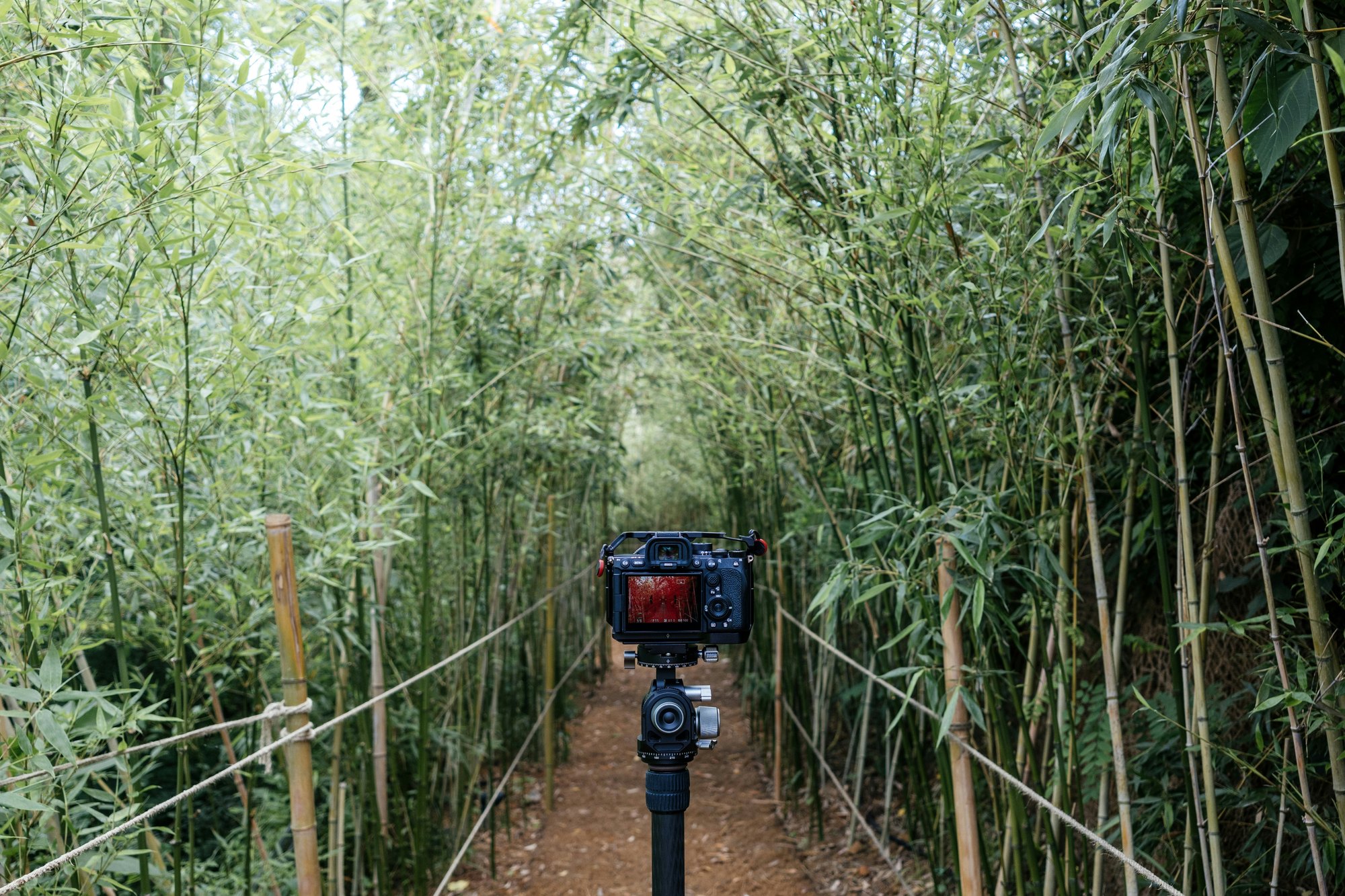
A photography retreat is a stay away from home organized around making photographs. It can be a guided workshop where a professional teaches on location, a small-group business retreat for working photographers, or a self-directed stay where you choose the place and the subject. What they share is time set aside for photography, away from your usual routine.
Search for a photography retreat and you get three different products under one name. Some are guided trips with an instructor and a minibus. Some are business coaching for wedding and family photographers. A few are simply a quiet place to stay and shoot. They suit different people and cost very different amounts, and the search results rarely tell you which one you're looking at. This guide sorts them out, then spends most of its time on the third kind, because it is the one the search results don't explain and the one you can arrange yourself. If you want the wider picture of creative getaways, start with our guide to artist retreats.
That definition is loose on purpose, because the market is loose. When we looked at the top Google result for "photography retreats" in October 2026, a large booking directory, most of the retreats it named were yoga, wellness and women's retreats in Joshua Tree, Sonoma and southern Utah. Few of them were about photography at all. So the first job is working out which kind you actually want.
The three kinds of photography retreat you'll find
Guided workshops and photo tours are run by a photographer or a tour company. You travel with a group, someone plans the locations and the timing, and you get instruction in the field and often image reviews in the evening.
Business retreats are aimed at people who already sell their photography, mostly wedding, family and portrait photographers. The days are built around styled shoots, mentoring and marketing. Two of the results on the first page of Google are this kind.
Self-directed stays look more like a residency. You pick a place for its light, landscape or subject, book or arrange your accommodation, and decide what to make. Nobody teaches you anything. That is the point.
None of these is better in general. They answer different needs, the same way a writing retreat can mean a taught course or a cabin and a deadline.
Guided workshops and photo tours
This is the right choice if you want to learn. A good workshop puts you in front of a subject at the right hour with someone who can tell you, on the spot, why the frame isn't working. For beginners that feedback is often the main value.
Tour operators often sell them as package trips. One North American operator on the first page of results describes every workshop as all-inclusive, covering lodging, meals and transportation. That convenience is what you pay for: someone else has scouted the viewpoints and worked out when the light hits them.
Before you book, ask how many people are in the group and how many instructors there are, how much of each day is shooting versus driving, whether there is time to work on your own, and what level the trip is pitched at. Look for reviews from past participants rather than the organizer's own testimonials, which is the same advice we give for checking a residency before you apply. If you'd rather learn from a smaller host, some spaces on Artaway list workshops with accommodation where the teaching and the stay come together.
Business retreats for working photographers
These are coaching programs with a trip attached. One we looked at pairs a four-day retreat built around styled shoots with a five-month mastermind of group calls and mentoring. The content is as much about pricing, clients and confidence as about technique.
They can be useful if your photography is already a business and you want a push from someone further along. They are rarely a good fit if you want time for personal work, because the schedule belongs to the organizer. One we looked at described its cost only as "a multi four-figure investment", with payment plans. Ask for the full price and what it includes before you get on a call.
The self-directed photography retreat
The third kind gets the least attention online, and it suits photographers who want time for their own work. You choose somewhere because of what you can photograph there, and you stay long enough to get past the obvious pictures. A week lets you learn where the light falls at different hours. A month lets you go back to the same place in different weather.
You can arrange this as a plain paid stay, as a residency, or as an exchange where you offer work in return for accommodation. A few real listings on Artaway show the range.
On San Juan Island in Washington State, Alchemy Art Center runs community artist residencies with a darkroom on its forested campus. It is an exchange: residents work 15 hours a week running community art activities and helping with the studios, and the listing includes a living stipend of $300 a month. Stays run in six-week cohorts between May and September. If you shoot film, that alone may decide it.
In Chandler, Arizona, in the suburbs south-east of Phoenix, Jennifer Keen offers a free stay in a private bedroom in exchange for an original piece of art to display in her home, and her listing asks specifically for a painting or a photograph of the desert. Stays are two weeks or more, the San Tan Mountain trailhead is 30 to 40 minutes away, and she says plainly that you'll need a car. She also notes that from April daytime temperatures can reach 90 to 100°F, which is useful to know if you're planning desert work.
On the Calabrian coast in southern Italy, The Arches in Tropea is a 13th-century sandstone portico of seven arches carved into the cliff above the sea. The host describes the stone glowing gold at sunrise, offers artist stays from a day to a month, and lists the space for photo shoots as well. This one is paid.
And near the black-sand beach at El Paredón in Guatemala, Studio Luce hosts writers and artists at Villa Rosa, a four-bedroom villa with a studio, and names photographers among the people it welcomes. Residencies last about two weeks, with 2027 open-call periods in April, June, August, September and October. It is also paid.
What makes a place good to photograph for a week or a month
Start with the light. Think about which direction the windows and the land face, how long the golden hours last at that latitude and season, and whether the weather tends to give you hard sun, cloud or fog. A host who describes when the light changes in their place is telling you they've noticed it.
Then access. A beautiful view you can only reach by car is no use without one. Ask how far the subjects you care about are on foot, whether there's public transport, and whether you can go out before sunrise without disturbing anyone.
After the shoot, you still have to work. If you edit digitally you'll want a table, decent power and an internet connection fast enough to back up files. If you shoot film, find out whether there's anywhere to develop, or plan to carry your rolls home. A darkroom like the one at Alchemy is uncommon.
Time of year matters more for photographers than for most artists. The same place in July and in February can be two different subjects. Ask hosts when they think their place looks best, and when it is simply hard to work there.
Arranging a photography retreat as an exchange
An exchange is usually the cheapest way to stay somewhere long enough to photograph it properly, and photographers have something hosts often want: pictures of their place. You can read how the model works on our exchange page and in our guide to preparing an art exchange.
Be clear about what you are offering. A framed print for the wall is one thing. A set of images the host can use on their website or social media is a license, and you should agree how they can use the photos, for how long, and how you'll be credited. Put it in writing before you travel, along with the dates, the hours you'll spend on any other work, and what happens if plans change.
Agree on what you can photograph, too. Shooting the landscape is rarely a problem. Photographing the inside of someone's home, their family or other guests needs a yes first. Our notes on safety when traveling as an artist cover the rest of what to check before you go.
When you're ready to look, you can browse hosts on Artaway. Message a host before you commit, ask the questions above, and pick the place you'd want to photograph for a month.
Frequently asked questions
Are photography retreats worth it for beginners? Most photography retreats for beginners are guided workshops, and those usually are worth it, because the value is the teaching. A self-directed stay rewards people who already know what they want to shoot and can keep themselves going without feedback.
How much does a photography retreat cost? It depends on the kind. Guided trips bundle lodging, meals, transport and an instructor, so the price covers a lot. Business retreats are priced like coaching. A self-directed stay can be a paid room or an exchange where you trade work for accommodation and mostly pay for travel.
What is the difference between a photography retreat and a photography residency? A residency is usually a program you apply to, often with a selection process and sometimes a project or showing at the end. A retreat is looser: you book or arrange it, and what you do there is up to you or the organizer.
Can I use photos of the host's property in my portfolio? Ask before you go and get the answer in writing. Many hosts are happy for you to show the work; some want to approve images of their home or guests.
Do I need a car for a photography retreat? For a self-directed stay in a rural or suburban place, often yes. Guided tours normally include transport, so check what's included before you book.
Ready to get started?
Browse self-funded, funded, and exchange artist residencies on Artaway.
Explore opportunities