Printmaking residencies: finding one with the right press
A printmaking residency is really about press access. How to match a studio to your process, what to ask before applying, and what these residencies cost.
What a printmaking residency actually gives you
Most printmakers don't go on a printmaking residency for the scenery. They go for the press.
A large etching press can cost as much as a used car, needs a floor that can take the weight, and comes with a room full of other things: acid baths, exposure units, drying racks, a ventilation system someone has to maintain. Very few artists own all of that. So a printmaking residency is, at its core, a period of time with access to equipment you can't keep at home, plus somewhere to sleep near it.
That changes how you should search. A writer can judge a residency by whether it's quiet. For a printmaker, the first question is whether the studio can actually run your process, and at what size. If you're new to residencies in general, our broader guide to artist residencies covers the basics. This one is about the print-specific parts.
It also helps to separate three things that get sold under similar names. A printmaking workshop is a taught course: someone demonstrates a technique and you follow along for a few days. Studio rental or membership is access by the hour or month, usually in your own city. A residency is self-directed time, typically one to twelve weeks, where you arrive with a project and the studio gets out of your way. Many print shops offer all three, and the pages can blur together, so read which one you're actually applying to.
Match the studio to your process
"Printmaking" covers processes that share almost no equipment. A studio can be excellent for one and useless for another, and a listing that just says "print studio" tells you very little. Here is what each main process needs, so you know what to look for.
Intaglio (etching, aquatint, drypoint, engraving) needs an etching press, a mordant bath or tanks, a hotplate for grounds, and somewhere to deal with rosin or spray aquatint. Ask what mordant the studio uses, because it affects which plates you can bring. Some shops have moved away from nitric acid: Zea Mays Printmaking in Massachusetts, for example, lists vertical tanks with ferric chloride and copper sulfate saline mordants. Check that against the metal you usually etch.
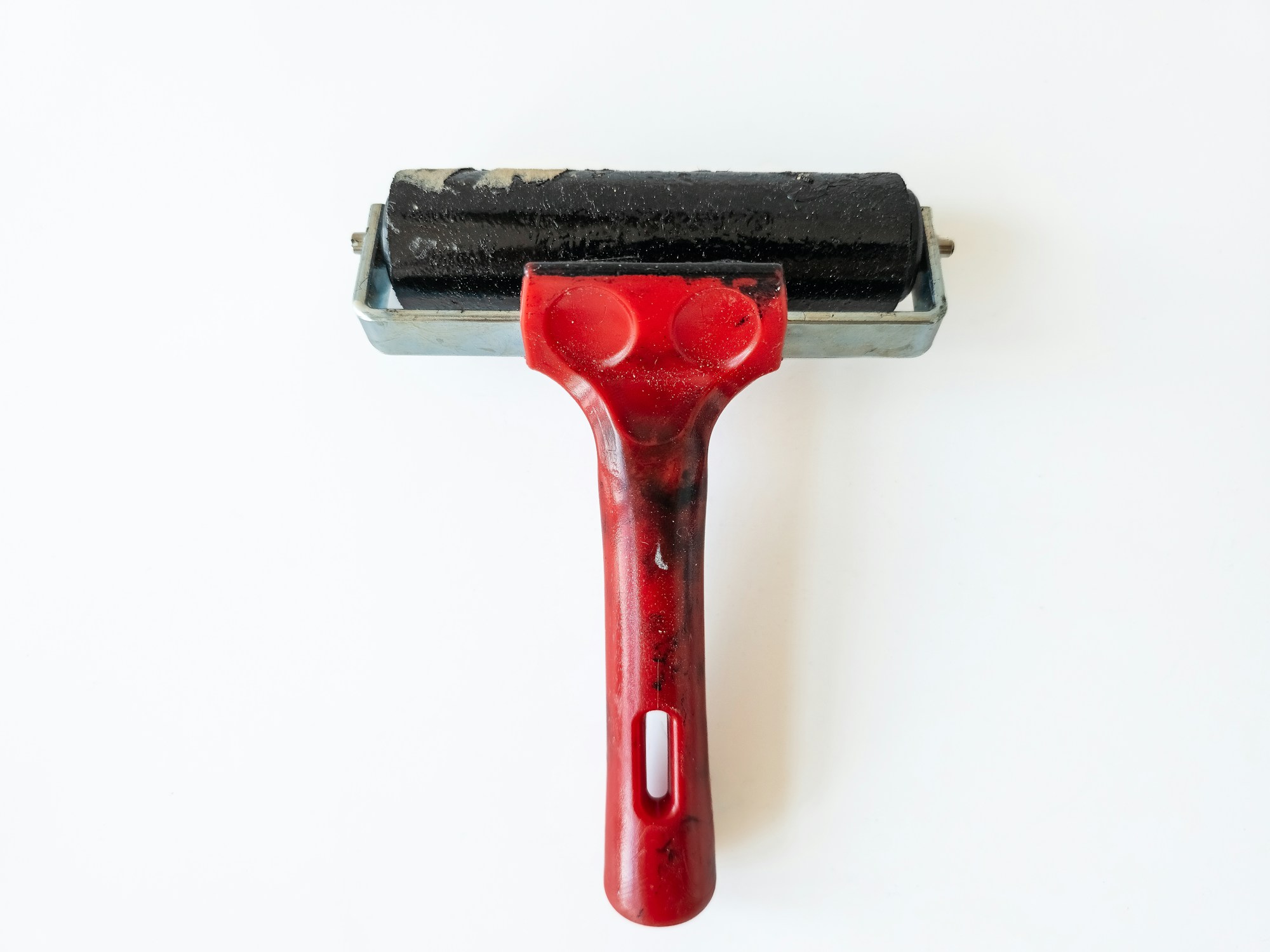
Relief (linocut, woodcut, wood engraving) is the most portable. You can print it with a baren or a spoon, so any studio with a large table and good light will do for small editions. For big blocks or consistent editions you'll want an etching press or a proofing press, and you'll want to know the maximum block height it can take.
Lithography is the hardest to find. Stone litho needs litho stones, a graining area, and a proper litho press, and fewer studios keep all three going each year. Plate litho is more common. If litho is your main process, filter for it first and be prepared to travel for it.
Screen printing needs an exposure unit, a washout booth with a pressure washer, and drying space. The exposure unit sets your maximum screen size, so ask for it in centimetres or inches rather than trusting "large format".
Letterpress and risograph are their own world. Letterpress means a proofing press such as a Vandercook, plus type and furniture. Riso means the printers themselves and a supply of drums in the colours you want. Studios built around artist books and zines tend to have both.
The same logic runs through other equipment-heavy disciplines. Our guide to ceramics residencies works through it for kilns, and most of it transfers: the machine decides what you can make, so read the equipment list before you read the description.
Questions to ask before you apply
A studio page will tell you what it has. It won't always tell you whether you'll get to use it. These are the questions that separate a good fit from an expensive week of waiting.
What is the press bed size? This one number decides how big your work can be. Zea Mays, to take a published example, lists a private-studio etching press with a bed of 39.5 by 72 inches, which is generous. Many studios have much smaller presses, and "fully equipped" doesn't tell you which kind you'll get.
Then find out who else uses it. Residencies inside community print shops often share presses with members. That can be a real benefit, since you're around other printmakers and can ask questions, but it means your press time may be booked around other people. Ask how scheduling works in practice.
Access hours vary more than you'd expect. Some residencies give you a key. Others give you the studio's public opening hours only. For a process with long waits, like biting plates or drying screens, the difference matters.
What chemistry is allowed? Many print shops have safety rules about solvents and acids, and some require approval for anything you bring in. Zea Mays, for instance, asks that chemicals brought from outside be approved ahead of time. Find this out before you pack.
Technical help is sometimes extra. Some studios charge for it separately. Zea Mays lists instruction or feedback at $75 an hour as an add-on. That's worth budgeting if you plan to try a process you haven't used much.
Where does the work dry, and where does it wait? Edition printing produces a lot of damp paper. Ask about drying racks, flat files for storage, and how you'll ship finished prints home if you can't carry them.
Then there are paper, ink, and consumables. Some residencies include inks and basic supplies. Most expect you to bring or buy your own paper. Ask what's included and whether there's a local supplier, because shipping a ream of heavy printmaking paper across a border is not cheap.
Before paying any fee, it's also worth working through our checklist on how to vet a residency. A print residency that turns out to have a broken press is a very specific kind of bad week.
What printmaking residencies cost
Printmaking residencies sit at the expensive end of the residency world, and the reason is simple: the studio has costs even when you're not there. Presses need maintenance and chemistry needs replacing whether or not anyone is printing.
As a reference point, Zea Mays in Northampton, Massachusetts published these rates at the time of writing (September 2026): $1,000 a week for a private studio plus a bedroom in the on-site apartment, with a two-week minimum, or $825 a week for a work area in the shared members' studio. Stays run from two to twelve weeks, applications are reviewed on a rolling basis, and the program describes itself as self-funded by the artist and their supporters. That model, where you pay for studio time and housing, is common among print shops that host residents.
At the other end are free or funded programs. The Lower East Side Printshop in New York runs a Keyholder Residency that gives emerging artists free 24-hour access to its printmaking facilities. Some programs offer fellowships with stipends, usually through competitive open calls. The Center for Contemporary Printmaking in Norwalk, Connecticut runs one-to-two-week solo residencies where the artist lives and works in a purpose-built printmaking cottage and focuses on a single project.
Most artists end up in the middle: a few weeks, part-funded by a grant, savings, or a sale. Our guides to free residencies and residencies that pay artists go through how funding usually works and how competitive it gets.
One honest note on value. A week at $825 can look steep until you compare it with what you'd pay to rent comparable press time and a room separately in the same town. Work out the real alternative before deciding a residency is too expensive, or a bargain.
Where to look for printmaking residency programs
General residency directories include printmaking programs, but they bury them among everything else. Print-specific sources are faster.
The Newsprintpod podcast keeps a public list of printmaking residencies split into funded programs and ones with costs, plus a separate list of residencies that have no press at all, which is handy if you work in relief and just need time and a table. Printmaking suppliers sometimes keep program calendars too; McClain's, a printmaking supplier, publishes a page of ongoing international programs.
Regional printmaking societies often run residencies for their members. The California Society of Printmakers, for example, pairs member artists with Bay Area master printers for short, ambitious projects. Joining a society can be the entry ticket.
Community print shops and print centers are where most of these residencies live. If there's a shop you admire, check whether it hosts residents, even if it doesn't advertise widely.
For printmaking residencies in Europe, the picture is similar. Europe has a long tradition of print workshops, and several host international residents. The Newsprintpod list names Frans Masereel Centrum in Kasterlee, Belgium; Art Print Residence in Barcelona; and Officina Stamperia del Notaio in Tusa, Sicily, among others. The Center for Contemporary Printmaking also runs a month-long exchange with Grafikwerkstatt Dresden in Germany, open only to its members, who must also be proficient in intaglio, lithography, or relief.
Whatever the source, check dates and fees on the program's own site. Lists age quickly, and a program that ran in 2024 may not run next year.
Trading print skills for studio time
There's another route that doesn't show up in residency directories: offering your skills in exchange for space.
Print studios run on skilled labour. There is always an edition waiting to be printed or a class that needs someone who knows how to set press pressure. Plenty of small studios and art spaces would rather host an experienced printmaker who runs a weekend workshop, prints an edition for them, or helps maintain equipment than leave a room empty. That's the logic behind an art exchange: you trade work or skills for accommodation and studio time instead of paying a fee.
To be straightforward about where Artaway fits: most hosts on Artaway don't own a press. You're more likely to find a guesthouse with a big table and good light than a full intaglio shop. That still works for relief printing, monotype on a small press you bring, or planning and drawing time before you get to a press. If you need a specific press, look for hosts who already have one and pitch them directly. Say which process you work in, what you'd offer (a workshop, a print for their collection, help around the studio), and what size you need to print at.
You can browse hosts and message them directly, and the same rules apply as for any exchange: agree on hours, expectations, and what happens to the prints before you arrive.
Frequently asked questions
Are there free printmaking residencies?
Yes, though they are competitive. The Lower East Side Printshop's Keyholder Residency gives emerging artists free 24-hour access to its facilities, and some print centers offer fellowships with stipends. Most printmaking residencies charge a weekly fee, because studios carry equipment costs year-round.
Can I do a printmaking residency if I'm new to printmaking?
Some programs are open to newcomers. The Newsprintpod list includes a residency aimed specifically at artists new to printmaking. Most self-directed residencies, though, assume you can work the equipment safely on your own, so if you're a beginner a taught workshop or a studio with paid technical help is usually the better start.
Do I need to bring my own paper and ink?
Usually you bring your own paper. Inks and basic consumables vary: some studios include them, others sell them at cost. Ask before you travel, and ask about local suppliers so you don't have to ship heavy paper.
Is a printmaking residency the same as renting studio time?
Not quite. Studio rental is access by the hour or month, usually close to home. A residency adds housing and a dedicated block of time, often with a private or reserved workspace, so you can finish a body of work without the rest of your life getting in the way.
Related guides
- Writing Residencies: How They Work and How to Apply
- Illustrator Residency Programs: A Practical Guide (2026)
- What Is an Artist Colony? History, Modern Equivalents, and How to Find One
- Virtual Artist Residencies: How They Work, What They Cost, and Whether They're Worth It
- What Is a Music Residency? Programs, Funding and Applications
- Ceramics Residency Programs: How They Work and How to Apply
- Fiber Arts and Textile Residencies: How They Work and What They Cost
- Paid artist residencies: how the money actually works
- Free artist residencies: what "free" actually covers
- Performance art residencies: where live work gets made
Ready to get started?
Browse self-funded, funded, and exchange artist residencies on Artaway.
Explore opportunities